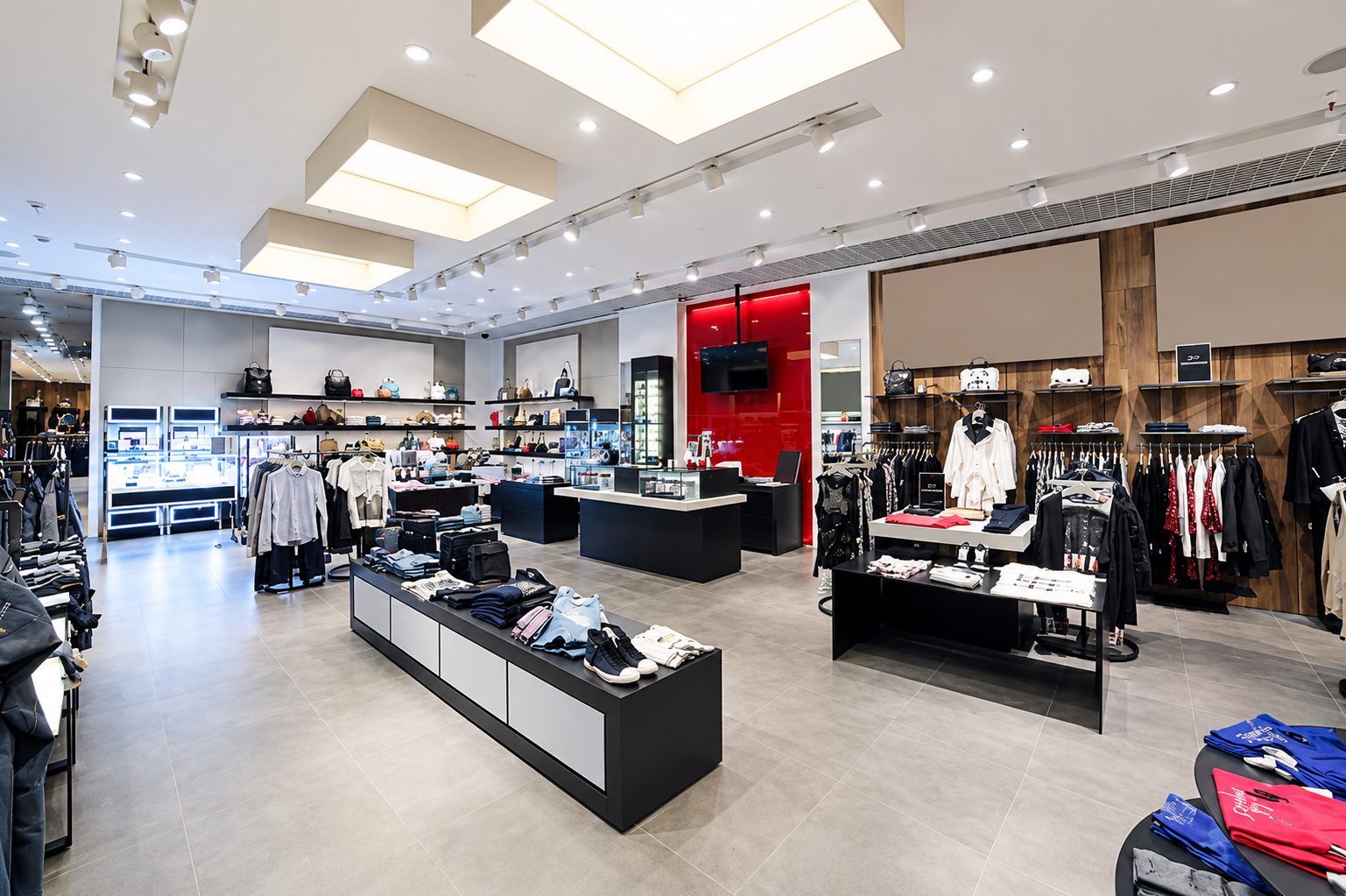
A great shop should feel welcoming from the moment someone walks through the door. It’s not just about having good products on the shelves. The way a store looks, feels and flows can have a big impact on how long customers stay, what they notice and whether they want to come back. That’s where retail shop fit outs can make a real difference. With the right layout, lighting, displays and finishing touches, you can turn an ordinary retail space into somewhere customers actually enjoy spending time.
Start With the Customer Experience
Before choosing colours, counters or display units, think about how customers will move through the shop. Is the entrance easy to find? Can people walk around without bumping into displays? Are your best products easy to spot?
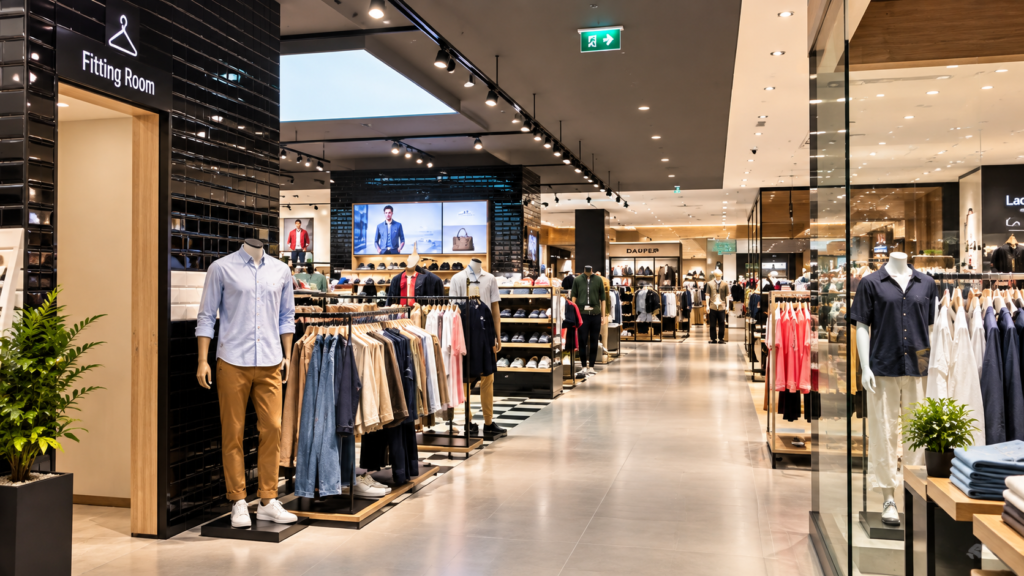
A good store layout should feel natural rather than confusing. Customers shouldn’t have to work out where to go next. Keep popular products in areas where they can easily be seen, while creating enough open space for people to browse comfortably.
It’s also worth thinking about the type of experience you want to create. A clothing shop might benefit from a relaxed and spacious layout, while a convenience store may need a more practical approach that makes products quick to find.
See also: Understanding the Importance of Online Privacy Protection
Make Your Shop Easy to Navigate
Nobody likes walking into a shop and feeling overwhelmed. Too many signs, shelves and displays can make a space feel crowded. On the other hand, a completely empty shop can lack personality.
The trick is finding the right balance.
Use clear pathways to guide customers from one section to another. Group related products together so people can easily find what they need. You can also use feature displays to draw attention to new arrivals, seasonal products or special offers.
Think about your shop from a customer’s point of view. Walk through the space and ask yourself what catches your eye first. If customers are likely to miss an important product or display, the layout may need a little adjustment.
Lighting Can Change the Whole Space
Lighting is one of those things that can completely change the feel of a shop. Bright, harsh lighting can make a space feel uncomfortable, while lighting that’s too dark may make products difficult to see.
Consider using different types of lighting for different areas. General lighting can brighten the overall space, while feature lighting can highlight particular products or displays.
Warm lighting can create a relaxed and inviting atmosphere, while brighter lighting can work well in stores where customers need to clearly see colours and details.
Don’t forget about natural light, either. If your shop has windows, make the most of them. Natural light can make a retail space feel larger, fresher and more open.
Choose Colours That Match Your Brand
Your shop should feel like an extension of your brand. Colours, materials and finishes can all help communicate what your business is about.
For example, a modern fashion store might suit simple finishes and a neutral colour palette, while a children’s shop could use brighter colours and playful details.
You don’t need to cover every wall in your brand colours. Sometimes small touches can be more effective. Think about signage, feature walls, shelving, counters and decorative elements.
The main goal is consistency. When your shop design matches your branding, customers get a clearer idea of who you are and what your business offers.
Give Your Products Room to Shine
Your products should always be the stars of the show. A beautiful shop won’t help much if customers can’t properly see what you’re selling.
Avoid cramming too many products into one area. Give key items enough space to stand out. Use shelving, stands and display tables to create different levels and make the store more visually interesting.
Feature displays can also be changed regularly. This gives returning customers something new to discover and gives you a simple way to promote different products throughout the year.
Don’t Forget About the Checkout Area
The checkout is often the final part of the customer experience, so it deserves some attention. Keep the counter easy to find without allowing it to dominate the entire shop.
The area around the checkout can also be useful for smaller products that customers might pick up while waiting. Just keep it organised rather than overcrowded.
Make sure there’s enough space behind and around the counter for staff to work comfortably. A practical checkout area can make everyday operations much easier.
Think About Your Staff Too
A shop needs to work for employees as well as customers. Staff spend hours in the space, so their comfort and ability to move around should be part of the planning process.
Storage should be easy to access, work areas should be practical and staff should be able to reach products without constantly crossing busy customer areas.
Good design can also help staff serve customers more efficiently. When everything has a logical place, there’s less time wasted searching for stock or moving things around.
Work With the Right Professionals
Planning a shop transformation can feel like a big job, especially if you’re working with a limited space or a tight opening deadline. This is where working with experienced retail shopfitters in Brisbane can help.
Professionals can look at your space and suggest practical ways to make the most of it. They can help with everything from layout and fixtures to lighting, finishes and installation.
It’s also useful to choose a team that understands your business rather than simply focusing on how the shop looks. A good fit-out should combine style, practicality and the needs of your customers.
Keep Practicality in Mind
It’s easy to get caught up in how a shop looks, but everyday practicality matters just as much. Your displays need to be durable, surfaces should be easy to clean and fixtures should be able to handle regular use.
Think about maintenance before choosing materials and finishes. A design that looks fantastic on opening day but becomes difficult to maintain can create extra work later.
You should also think about flexibility. Retail trends change, products change and your business may grow. Whenever possible, choose fixtures and layouts that can be adjusted rather than creating a space that can only work one way.
Create a Space People Want to Return To
The best retail spaces aren’t necessarily the most expensive or elaborate ones. They’re the shops where everything feels like it belongs.
From the entrance and product displays to the lighting and checkout, every part of the space should work together. Thoughtful retail fit outs can help create a more comfortable environment while making it easier for customers to discover your products.
Most importantly, don’t design your shop purely around what looks good in a photo. Think about how real people will use the space every day. Consider your customers, your staff, your products and the overall experience you want to provide.
A Few Simple Changes Can Go a Long Way
You don’t always need a complete makeover to improve your shop. Sometimes changing the layout, updating lighting, refreshing displays or adding better signage can make a noticeable difference.
Start by looking at your current space honestly. What works well? What feels awkward? Which areas do customers ignore? Where do staff struggle?
Once you know what needs improving, you can create a plan that focuses on those areas.
A well-planned store should feel easy, welcoming and enjoyable. When customers can move around comfortably, find products easily and enjoy the atmosphere, you’re already creating a better shopping experience. With a thoughtful approach to design and planning, your shop can become a space that works harder for your business while giving customers plenty of reasons to come back.


 By
By