
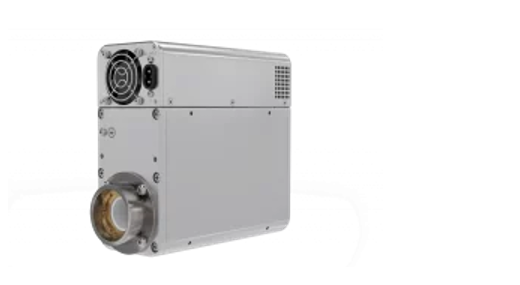
X-ray imaging depends on more than a tube and a detector. The quality, consistency, and reliability of the power delivered to the X-ray tube can directly influence how effectively a system performs. This is why high-voltage X-ray generators are such an important part of modern imaging equipment.
They provide the controlled electrical energy required to produce X-rays at the voltage and current levels appropriate for a particular application. From medical diagnostics to industrial inspection and security screening, dependable high-voltage generation helps imaging systems deliver repeatable results while supporting efficient operation.
Understanding the Role of a High-Voltage Generator
An X-ray generator converts electrical power into the high voltage required to operate an X-ray tube. It controls voltage and current, allowing the tube to produce X-rays under specific operating conditions. This controlled power is essential for maintaining consistent system performance and dependable imaging results.
However, generator selection involves more than electrical output alone. Cooling capacity, physical size, control interfaces, compatibility, integration requirements, and long-term reliability can all affect how effectively the generator works within an X-ray imaging system and its intended application.
Why Voltage Stability Matters
Voltage stability is essential for producing consistent X-ray output during repeated imaging operations. Fluctuations in voltage or current can influence the energy and quantity of generated X-rays, potentially affecting image consistency. A stable generator helps maintain predictable operating conditions, which is particularly valuable when images must be compared or examined for small differences.
In industrial non-destructive testing, reliable output can support the detection of internal defects without damaging components. Security inspection systems also benefit from consistent performance when scanning large numbers of bags, parcels, or cargo items.
Supporting Image Quality and Resolution
The generator’s electrical characteristics can influence important imaging factors such as penetration, contrast, speed, and detail. Tube voltage affects X-ray energy, while current influences the quantity of radiation produced. Selecting appropriate settings helps the imaging system achieve results suited to its intended purpose.
Requirements can vary considerably between applications. Medical equipment may prioritize compact designs and controlled output, while industrial systems may require greater power and penetration. Security scanners may instead emphasize continuous operation, reliable performance, and straightforward integration with automated inspection equipment.
Key Factors for Selecting a High-Voltage Generator
- Voltage, Current, and Power: Match the generator’s output to the X-ray tube and application’s power requirements.
- Tube Compatibility: Ensure the generator works effectively with the selected X-ray tube and system configuration.
- Cooling and Operating Conditions: Consider heat management, duty cycle, and the environment where the equipment will operate.
- Size and Integration: Choose a design that fits available space and supports required control or communication interfaces.
- Application Requirements: Evaluate whether the generator suits medical imaging, industrial inspection, security scanning, or other specialized uses.
Compact Design Can Improve System Integration
Space is often a significant engineering consideration. Imaging equipment may need to fit inside mobile inspection units, robotic systems, medical equipment, automated production lines, or other compact platforms. A smaller generator can give OEM designers more freedom when arranging internal components. Reduced size and weight may also simplify equipment development, transportation, and installation.
Thermal Management and Long-Term Reliability
Generating high voltage produces heat, making thermal management essential. Poor heat control can affect components and reduce reliability. This is especially important for equipment used for long periods, including security scanners and industrial systems. Engineers should consider cooling, operating conditions, and workload when selecting a generator. Maximum voltage alone is not enough. Proper thermal design helps maintain stable performance and supports longer equipment life.
Applications Across Multiple Industries
The value of dependable high-voltage generation extends across many industries. From healthcare and industrial inspection to security, food processing, and electronics, consistent X-ray power helps systems deliver reliable imaging, efficient operation, and repeatable results.
Medical Imaging
X-ray technology is widely used in medical equipment for diagnostic and therapeutic purposes. Applications can include dental imaging, bone analysis, veterinary examinations, and other specialized procedures. Generators need to provide controlled and dependable output to support clear imaging and consistent equipment performance.
Industrial Inspection
X-ray inspection allows engineers to examine the internal condition of components without physically opening or damaging them. It can be useful for checking welds, castings, electronic assemblies, and manufactured parts. Reliable X-ray power helps identify internal flaws and structural inconsistencies more effectively.
Security Screening
Security systems use X-ray imaging to examine luggage, packages, cargo, and other items without opening them manually. Consistent generator performance is important because scanning equipment may operate continuously and process a large volume of objects throughout the day.
Food Inspection
X-ray inspection can help food manufacturers identify unwanted materials within packaged or unpackaged products. It can also support quality-control processes on automated production lines. Reliable operation allows manufacturers to maintain consistent inspection while keeping production moving efficiently.
Electronics and Analytical Applications
X-ray systems can assist with examining electronic components, identifying component placement, and supporting material analysis. These applications often require precise and repeatable imaging conditions. A dependable generator can help maintain consistent output, allowing equipment to produce useful results during repeated inspections or measurements.
What Should OEMs Consider When Selecting a Generator?
For OEMs developing or upgrading X-ray equipment, the selection process should begin with the application’s actual requirements rather than simply choosing the highest available power rating. The X-ray tube must be compatible with the generator, while voltage and current requirements should align with the intended imaging task.
Mechanical dimensions, cooling, communication interfaces, mounting arrangements, and serviceability should also be evaluated. Customization can be particularly valuable when an OEM is developing specialized equipment. A generator that can be adapted to the system’s electrical and mechanical architecture may simplify integration and reduce unnecessary compromises during product development.
See also: AI Flyer Makers for Social Media Marketing Campaigns
Why Reliability Is More Than a Technical Specification
Reliability has practical consequences beyond keeping equipment operational. Unexpected interruptions can affect production schedules, inspection throughput, maintenance planning, and overall equipment ownership costs. For this reason, system developers should evaluate the generator as part of the complete X-ray platform.
Stable output, appropriate cooling, compatibility, integration support, and service resources can all contribute to dependable performance over the equipment’s working life. The right generator should therefore support the broader objectives of the imaging system: consistent results, efficient operation, manageable maintenance, and dependable performance under the conditions for which the equipment was designed.
Conclusion
High-voltage generation is a fundamental part of dependable X-ray imaging. From controlling tube operation to supporting consistent image quality, penetration, efficiency, and system reliability, the generator influences much more than the power stage alone. High Voltage Power Supplies must therefore be selected according to voltage, power, compatibility, cooling, integration, and application requirements. VJ X-Ray approaches these demands with integrated X-ray sources and configurable generator solutions designed for OEM applications across medical, industrial, security, food, electronics, and analytical markets.
