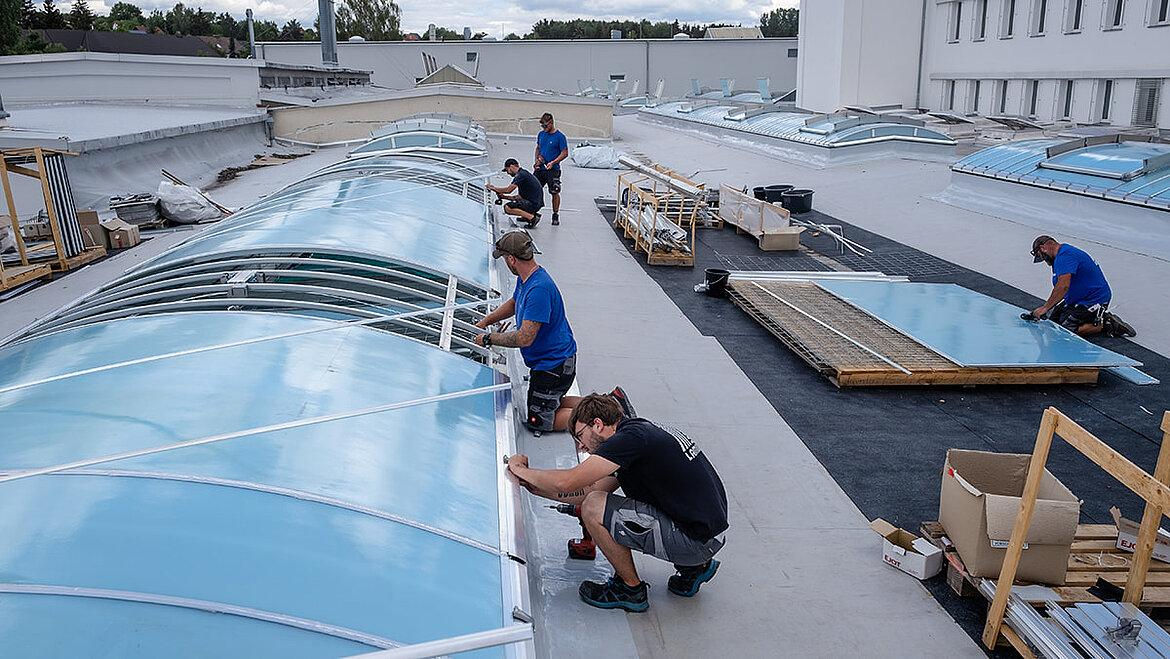
Natural light can change the feel of an interior, particularly in rooms with little access to windows. For buildings with flat or low-pitched roofs, flat roof dome skylights provide a practical way to bring daylight into areas such as kitchens, hallways, offices, extensions, garages, and commercial spaces. Their curved design also helps shed rainwater and can suit a range of roof configurations.
Choosing a rooflight involves more than selecting a shape. Glazing material, size, thermal performance, installation requirements, and roof compatibility all affect the finished result. Understanding these factors before making a purchase can help property owners choose a rooflight that suits both the building and its intended use.
What Are Dome Skylights?
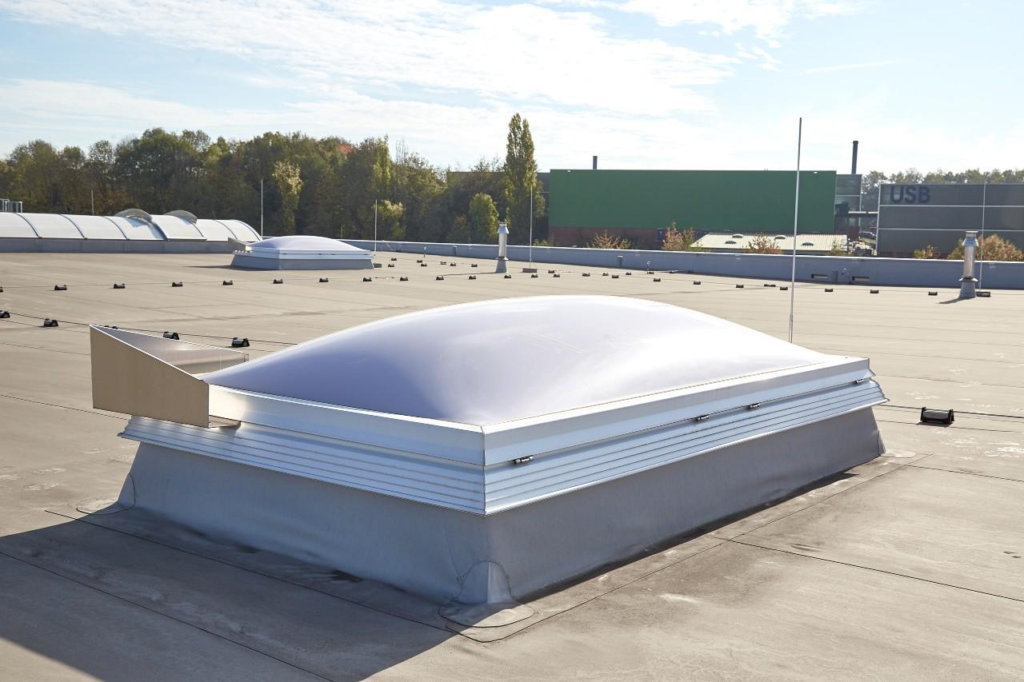
Dome skylights are roof-mounted daylighting products with a raised, curved glazing section. Unlike flat roof windows, the dome extends above the roof surface, allowing it to capture daylight from different angles throughout the day.
The curved profile can also help water and debris run away from the surface. This makes dome-shaped rooflights suitable for many flat-roof applications where drainage and weather exposure need to be considered.
They are available in different dimensions and glazing materials. Some models are designed primarily to provide daylight, while others can include additional features for ventilation, insulation, or improved energy performance.
See also: Single Phase Transformer Pad: Design, Installation, and Cost Factors
Why Flat Roofs Suit Dome Designs
A flat roof does not receive daylight in the same way as a pitched roof. A rooflight creates an opening that allows natural light to enter directly from above, potentially reducing the need for artificial lighting during daylight hours.
The raised profile of flat roof dome skylights can offer practical benefits on exposed roofs. Rainwater is less likely to remain on the curved surface compared with a completely horizontal panel, provided the roof and rooflight are correctly installed.
The amount of light entering a room depends on several factors, including the rooflight’s dimensions, glazing characteristics, room size, ceiling height, and the position of the opening. A larger dome is not automatically the right choice for every room.
Choosing the Right Glazing Material
Material selection affects durability, appearance, weight, and maintenance requirements.
Plastic dome roof lights are commonly used for projects where lightweight glazing and practical installation are priorities. Different plastics can offer varying levels of clarity, impact resistance, UV stability, and thermal performance, so specifications should be checked rather than treating all plastic glazing as identical.
A clear dome generally provides a stronger direct-light effect, while translucent options can distribute daylight more softly and reduce direct glare. The appropriate choice depends on how the room is used.
For occupied spaces, thermal performance deserves particular attention. A rooflight can introduce useful daylight, but its glazing should also be considered alongside the rest of the building envelope to avoid creating unnecessary heat loss or solar gain.
Getting the Size Right
The dimensions of a skylight should relate to the room beneath it. A small rooflight may provide insufficient illumination, while an oversized opening can create excessive brightness or heat gain.
Consider the room’s floor area, existing windows, ceiling arrangement, orientation, and the amount of daylight already available. Furniture placement can also affect how useful the incoming light will be.
The roof structure must be considered before selecting a size. Cutting an opening into a flat roof can affect joists, insulation, membranes, and internal finishes. A suitable structural assessment may therefore be necessary before installation.
Finding Suitable Products Online
Online suppliers make it easier to compare specifications, dimensions, glazing types, and installation requirements. Searches for online dome rooflights can produce products from different manufacturers and suppliers, but product descriptions should be examined carefully.
Look for information about dimensions, glazing material, frame construction, compatibility with the roof system, insulation properties, and recommended installation methods.
Product photographs can be useful for understanding the general appearance, but technical specifications provide more meaningful information when comparing alternatives.
Comparing Dome Skylights for Sale
The phrase dome skylights for sale covers a wide range of products, from compact units for residential extensions to larger rooflights intended for commercial buildings.
Price should not be considered in isolation. A lower initial cost may not represent better value if the product has limited durability, poor thermal characteristics, or installation requirements that increase labour costs.
Before ordering, check the exact external and internal dimensions, curb or upstand requirements, glazing specification, fixing method, and any accessories supplied with the unit. These details can prevent compatibility problems later.
Planning the Installation
Installing a rooflight involves more than placing a dome over an opening. The roof opening needs to be prepared correctly, and the surrounding waterproofing must be integrated with the existing roof system.
Flat roofs can use different construction methods, including membrane, single-ply, liquid-applied, and other systems. The installation method therefore needs to match the particular roof construction.
Where structural alterations are required, professional advice is sensible. Incorrect cutting, inadequate support, or poorly sealed joints can lead to water ingress and damage to the roof structure.
The rooflight should also be positioned where it can provide useful illumination without interfering with existing services, ventilation equipment, electrical installations, or structural members.
Maintenance After Installation
Dome rooflights generally require routine inspection and cleaning. Dirt, leaves, algae, and other deposits can reduce the amount of daylight passing through the glazing.
Cleaning frequency depends on the roof’s surroundings and exposure. Buildings near trees, roads, or industrial areas may require more frequent attention.
During routine roof inspections, check the glazing for cracks or damage and examine seals, flashings, fixings, and surrounding roof materials for signs of deterioration. Any water staining inside the building should also be investigated promptly.
Buying With the Long Term in Mind
People planning to purchase dome rooflights should consider the entire installation rather than focusing solely on the product price. The roof type, room requirements, glazing specification, expected lifespan, maintenance needs, and installation method all contribute to the overall cost.
A well-selected rooflight can provide natural illumination for many years, but its performance depends heavily on correct sizing and installation.
For anyone researching flat roof dome skylights, comparing technical specifications and installation requirements before ordering is a practical starting point. The right product should suit the building’s structure, daylight requirements, climate exposure, and long-term maintenance plan.


 By
By