Electrical distribution systems often rely on equipment that can operate safely outdoors while remaining accessible for inspection and maintenance. A single phase transformer pad provides the stable foundation required for certain distribution transformers installed at ground level. Although the pad may appear to be a simple concrete structure, its dimensions, strength, placement, and installation conditions can affect the safety and service life of the transformer above it.
What Is a Transformer Pad?
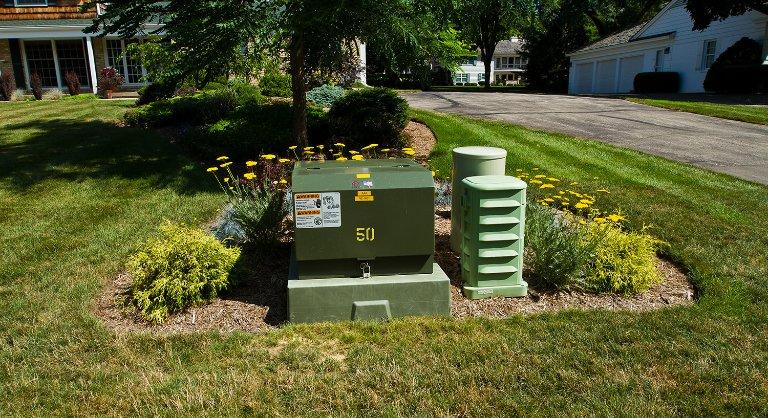
A transformer pad is a level, load-bearing base designed to support a transformer and keep it positioned correctly above the surrounding ground. Pad-mounted transformers are generally installed outdoors and are commonly used in residential developments, commercial properties, and utility distribution networks.
The pad separates the transformer enclosure from soil and standing water while providing a defined installation area. It also helps maintain the clearances required around electrical equipment.
The exact construction depends on the transformer specifications, site conditions, utility requirements, and applicable electrical standards. A properly designed foundation must accommodate the equipment’s weight and physical dimensions without settling, cracking excessively, or shifting over time.
See also: How Professional Grout Cleaning Helps Protect Tile Surfaces
Why the Foundation Matters
The foundation carries more responsibility than simply supporting the transformer. A poorly prepared surface can create several installation and maintenance problems.
Uneven settlement may place stress on the transformer enclosure or connected conduit. Water accumulation around the base can also create drainage concerns, particularly in locations exposed to heavy rainfall or poor soil conditions.
A properly constructed pad should provide:
- A stable and level surface
- Adequate load-bearing capacity
- Suitable clearance around the transformer
- Proper access for maintenance personnel
- Appropriate conduit and cable entry points
- Drainage that prevents persistent water accumulation
The foundation should also be positioned so that vehicles, landscaping, construction activities, and other site features do not interfere with the transformer.
Materials Used in Transformer Pads
Concrete is commonly used because it provides the compressive strength needed to support heavy electrical equipment. Reinforcement may be incorporated into the concrete according to engineering requirements and the expected loading conditions.
The concrete mix, reinforcement, thickness, and dimensions should not be selected solely from a general rule of thumb. Transformer manufacturers and utilities may specify particular foundation requirements for their equipment.
The surrounding ground also matters. Soil with poor bearing capacity may require additional preparation before the pad is installed. Compacted aggregate, excavation, grading, or other site work may be necessary to create a dependable base.
How Pad-Mounted Transformers Are Positioned
A pad-mounted transformer normally sits directly on the prepared foundation. The enclosure must remain level, and the installation needs enough surrounding space for workers to access doors, connections, and other service areas.
Conduit locations should be established before concrete placement. Once the pad has cured, correcting incorrectly positioned conduit can involve additional construction work and unnecessary expense.
The transformer should also be located according to the clearances established by the utility, manufacturer, electrical code, and local site requirements. Nearby walls, fences, structures, vegetation, and traffic areas may affect the acceptable installation position.
Understanding Single-Phase Pad-Mounted Transformers
A single phase pad mounted transformer is designed to reduce distribution voltage to a level suitable for the electrical loads connected to a property or distribution system. It is enclosed in a grounded outdoor cabinet and is installed on a prepared foundation.
These transformers are frequently associated with residential and smaller commercial electrical distribution applications. Their capacity and voltage configuration vary according to the requirements of the installation.
Selecting the transformer requires more than checking its physical dimensions. Engineers and electrical contractors may need to consider load requirements, primary voltage, secondary voltage, available fault current, environmental conditions, utility specifications, and future electrical demand.
The foundation must then be compatible with the selected transformer.
Factors Affecting Foundation Design
Several site-specific factors influence how a transformer pad should be designed and constructed.
Transformer size and weight: Larger equipment requires an appropriately sized and engineered foundation.
Soil conditions: Weak, expansive, or poorly compacted soil can affect settlement and structural stability.
Drainage: The installation area should not allow water to remain around the transformer base for extended periods.
Conduit arrangement: Primary and secondary conduits need to align with the transformer’s connection points.
Accessibility: Technicians require sufficient working space to inspect, service, and replace equipment.
Local requirements: Utility companies and local authorities may have their own specifications governing pad dimensions, reinforcement, clearances, and installation procedures.
What Determines Transformer Cost?
The single phase pad mounted transformer cost can vary considerably from one installation to another. The transformer itself is only one part of the overall expense.
Capacity is one of the major pricing factors. A transformer designed for a higher electrical load generally requires more materials and may have a larger enclosure.
Voltage ratings, manufacturer, efficiency characteristics, enclosure requirements, and availability can also influence the purchase price. Special configurations or equipment designed for unusual operating conditions may cost more than standard units.
Installation expenses should also be considered. These can include excavation, soil preparation, concrete work, conduit installation, electrical connections, transportation, lifting equipment, testing, and labor.
For that reason, comparing transformer prices without considering the complete installation can produce an incomplete estimate.
Installation Planning
Planning should begin before concrete is poured. The project team can review the transformer manufacturer’s drawings and utility requirements to determine the appropriate foundation dimensions and conduit arrangement.
The site should be checked for underground utilities before excavation. The area can then be graded and prepared according to the engineering specifications.
After reinforcement and conduit systems are positioned, concrete can be placed and finished to the required dimensions. The foundation needs adequate curing time before the transformer is installed, based on the concrete specifications and project requirements.
Once the equipment is positioned, electrical connections and grounding can be completed by qualified personnel.
Maintenance Considerations
A properly installed transformer foundation makes routine service easier. The area around the equipment should remain free of debris, excessive vegetation, stored materials, and other obstructions.
Periodic inspections can identify cracks, settlement, drainage problems, damaged conduit, or changes in the surrounding ground. Small foundation problems may become more difficult to address if they are ignored for extended periods.
Maintenance teams should also follow the transformer manufacturer’s service recommendations and the requirements established by the responsible utility or electrical authority.
Choosing the Right Specifications
There is no universal pad design suitable for every transformer installation. The correct dimensions and construction details depend on the equipment being installed and the conditions at the site.
Before ordering materials or beginning construction, project planners should obtain the manufacturer’s installation drawings and confirm the requirements with the relevant utility or electrical engineer.
The transformer rating, enclosure dimensions, cable arrangement, site conditions, and applicable electrical requirements should all be considered together. Careful planning at this stage can reduce construction changes and prevent problems after the equipment arrives.
Final Considerations
A transformer pad is a structural part of an electrical installation, not merely a concrete slab. Its design affects equipment stability, cable alignment, drainage, service access, and long-term site conditions.
Understanding the foundation requirements, transformer specifications, installation costs, and maintenance needs gives property owners and project teams a clearer picture of what the installation involves. Professional engineering and qualified electrical installation are essential for projects involving distribution transformers, particularly where utility specifications and electrical safety requirements apply.


 By
By