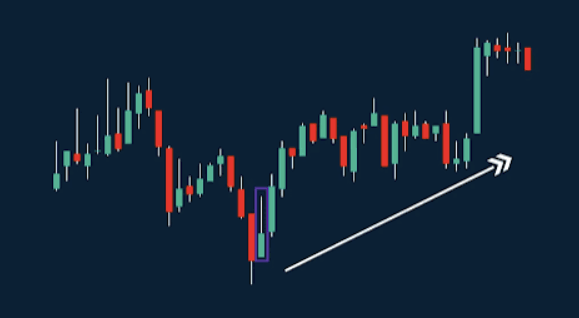
Candlestick patterns offer newcomers a visual map of price action and market psychology. The approach emphasizes simple formations—hammers, shooting stars, engulfing candles, and dojis—paired with volume checks. A disciplined method interprets price action first, then confirms with volume and trend context. This framework supports objective entry and risk steps without overload. The discussion continues to show how straightforward rules translate into practical decisions, inviting further exploration of how signals fit into a broader plan.
What Candlesticks Tell Beginners About Market Psychology
Candlestick charts translate price action into a visual narrative of market psychology. They reveal collective sentiment without bias, highlighting calm markets, fear spikes, and shifts in supply-demand balance. Analysts note volume confirmation to validate moves, reducing false signals.
Context matters: trend context defines interpretation, while rapid candles signal momentum. Data-driven assessment guides disciplined decisions, aligning trades with objective, freer market insights.
Core Candlestick Patterns Every Trader Should Know
A solid understanding of market psychology from candlestick charts naturally leads to recognizing the core patterns that traders rely on. Core patterns include breakout patterns that signal decisive moves and reversal signals indicating potential trend reversals. These formations—hammer, shooting star, engulfing, and doji—offer concise, data-driven cues. They guide risk-aware decisions while preserving a sense of strategic freedom in trading.
How to Confirm Signals With Volume and Market Context
Volume and market context are essential for validating candlestick signals; comparing price action to volume spikes and trend direction helps distinguish false breaks from sustainable moves.
The analysis provides guidance on volume confirmation and emphasizes assessing market context to filter noise.
Volume patterns paired with price structure enhance reliability, offering a disciplined approach for traders seeking freedom through informed, evidence-based decisions.
See also: Bitcoin Halving Explained for Beginners
Five Simple Rules for Reading Candlesticks Without Overwhelm
Many traders prefer a simple framework: five rules provide a clear, repeatable approach to reading candlesticks without confusion. The guidance focuses on entering basics, interpreting price action, and disciplined steps. Each rule emphasizes concise evidence from price patterns, not guesswork.
Reading indicators alongside candlestick signals strengthens decisions, while maintaining freedom to adapt. Systematic, data-driven checks reduce overwhelm and enhance practical applicability.
Conclusion
Informed by price dynamics, candlesticks translate crowd psychology into actionable signals, when read with discipline. The data show that patterns gain reliability with context: trend alignment, volume confirmation, and market structure. Traders should prioritize price action first, then verify with volume, before weighing reversals or breakouts. Five rules—keep it simple, confirm signals, avoid overtrading, manage risk, and refine with experience—deliver consistent results. As the adage goes: slow and steady wins the race.


 By
By